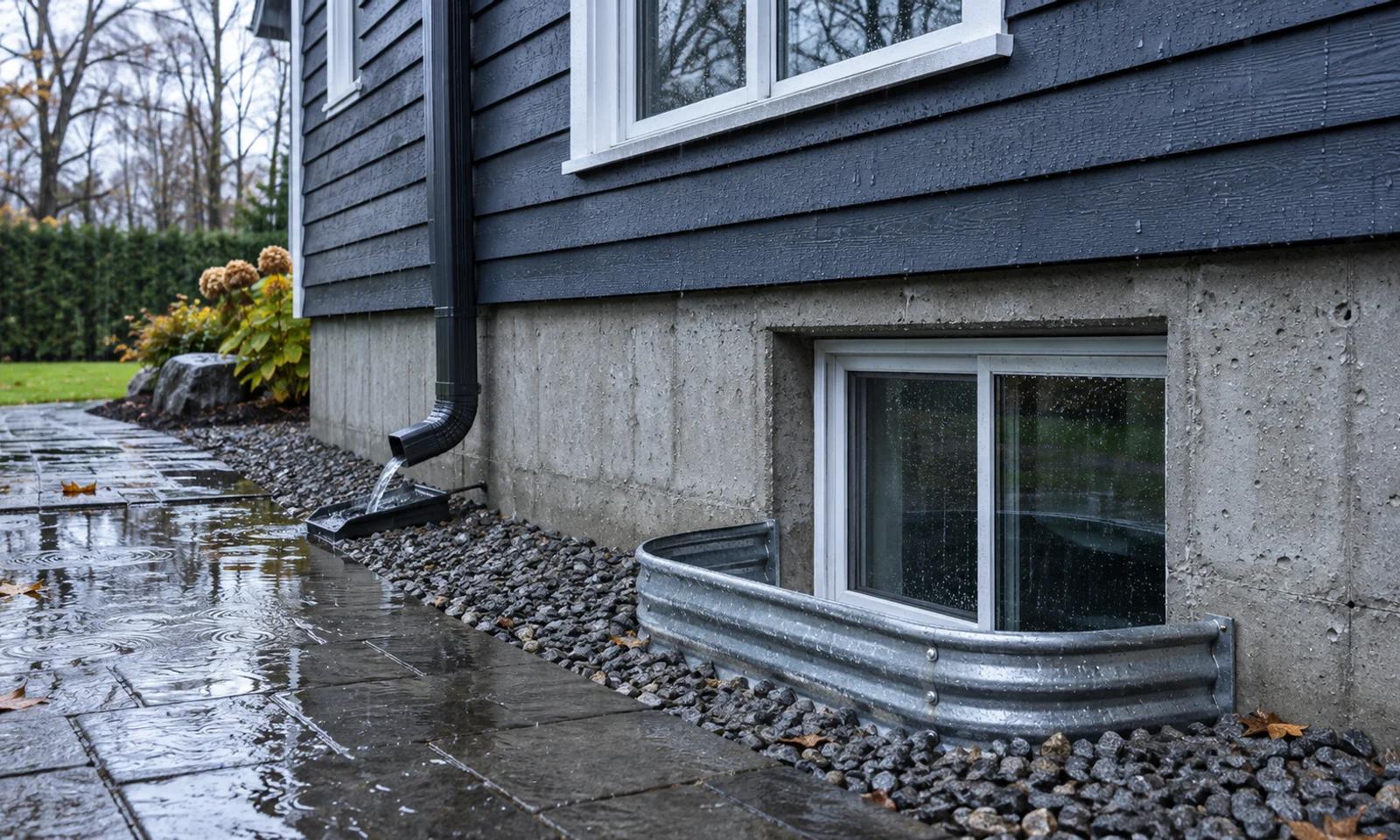
Describe what happened without deciding the cause
Water at the base of a wall does not, by itself, establish which repair is needed. Start with the room, affected wall and place where you noticed the water. Distinguish an older mark from water observed recently. If you do not know the source, say so: examining that question is precisely the purpose of an assessment.
Keep a simple timeline
Record when you observed the problem and the conditions at the time: rainfall, snowmelt or dry weather. Note whether it appears in the same place and whether you saw it begin or only discovered the result. Avoid treating a coincidence as a diagnosis; these details provide context for the professional.
Take only safely accessible photographs
An overview and a closer view may be enough to prepare the discussion. Do not move equipment, open a wall or enter an unsafe area to document a request. Avoid including personal documents or people. Images help explain the observation; they do not replace a site visit where one is needed.
Mention known previous work
Gather information already available to you, such as earlier work, a report, an invoice or a recent change around the building. Separate documented facts from details someone simply told you. Conceal unrelated financial or personal information. The aim is a comprehensible history of the issue, rather than a perfect file.
Prepare questions for the assessment
Ask what will be examined on site, which areas require access and what document will summarize the findings. Distinguish the assessment cost from any proposed work. Infiltration.ca prepares a matching request subject to availability; its form does not book an emergency response or confirm a cause.
Read next
Compare water-infiltration quotes: examine the scope before the total